Phuket with children
Updated
At a glance
For a family holiday in Phuket, come from November to April, when the sea is calmer: beaches with lifeguards, the government's aquarium, waterfalls and parks, and island days with a life jacket on.
- When: November to April; from May to October, the surf and rip currents are strong.
- Where to stay: Kamala for a quiet break, or Karon, which had lifeguards along its beach in 2025.
- Days out: The aquarium at Cape Panwa, the waterfalls at Ton Sai and Bang Pae, the gibbons by booking, and Old Town's Sunday walking street.
- In the sea: Swim where the flags allow and lifeguards are on duty; vinegar is the first aid for a box-jellyfish sting.
- Getting around: By law, children aged 6 and under ride in a child seat in a private car; taxis are exempt.
- Health: A travel clinic a month or more before you fly, repellent by day, and bottled water. Ambulance: 1669.
When to go to Phuket with kids
The Tourism Authority of Thailand recommends November to April for Phuket. From May to October, the south-west monsoon brings strong surf and rip currents to the west-coast beaches, and red flags fly: a hard time for paddling.
Thailand's Children's Day is the second Saturday of January; the next is Saturday 9 January 2027. It isn't a public holiday, but in 2025 towns all over Phuket held events for children.
Month by month, with the weather, the sea and the festivals: When to visit Phuket
Where to stay in Phuket with children
The Tourism Authority of Thailand said in 2021 that families choose Kamala for a quiet break: a beach of about 2 km. Karon's long beach had just over 20 lifeguards in 2025, and Kata Noi, next to Kata, is a small beach of fine white sand.
Every area, with hotel prices and getting there from the airport: Where to stay in Phuket
Beaches and the sea with children
Read the flags before anyone goes in:
- Red: no swimming.
- Yellow: swimming is allowed, but take care.
- Green: calm.
- Red and yellow: lifeguards are on duty.
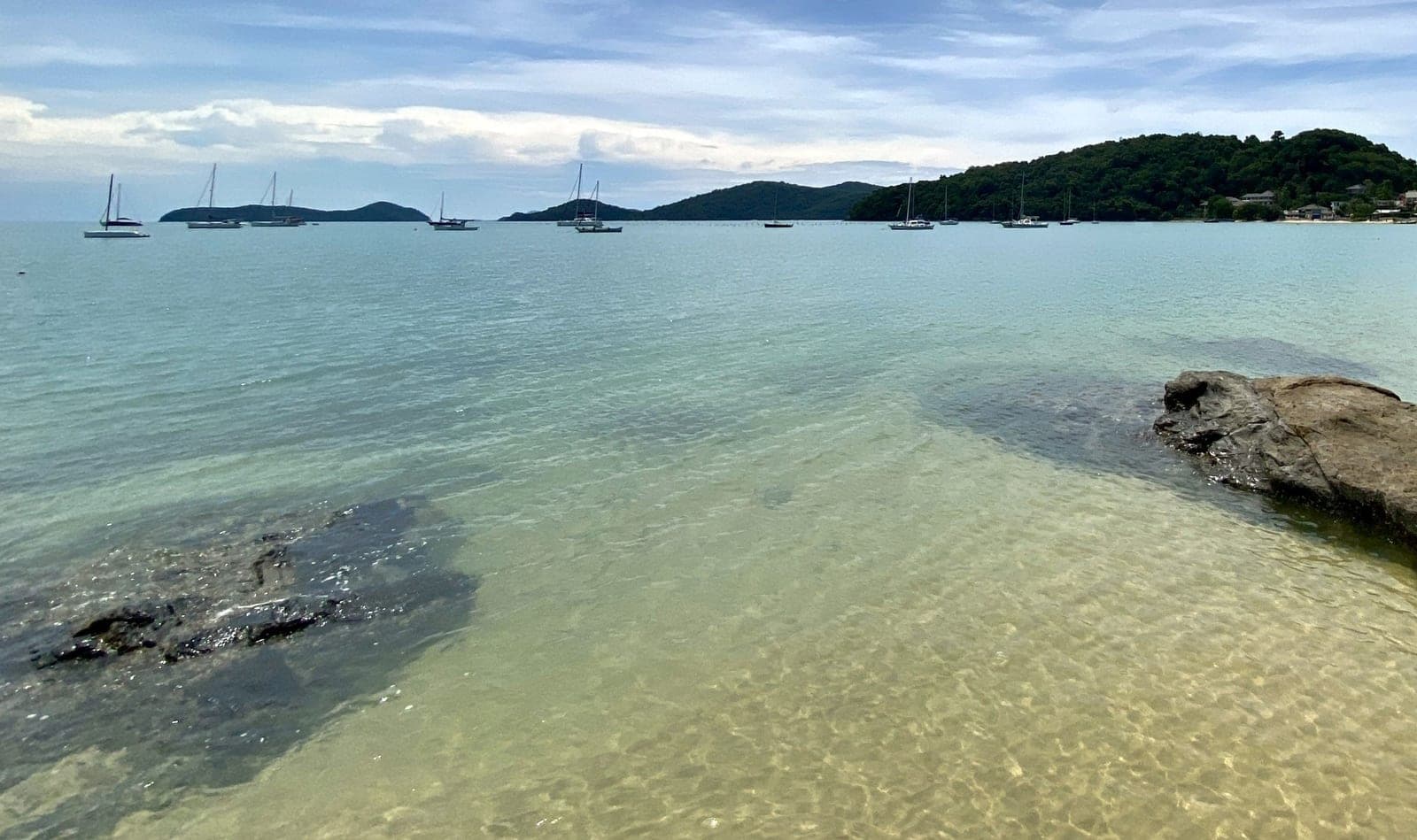

Each town hires its own lifeguards, so some beaches have more than others. Watch children closely in the water, and put them in a life jacket for water activities.
If a jellyfish stings, get your child out of the water and call 1669. For a box jellyfish, the marine department's first aid is to keep them still, pour vinegar over the sting for at least 30 seconds, and lift any tentacles off with a stick, without rubbing the sting or rinsing it in fresh water.
Some sun creams are banned in Thailand's national parks, which include the beaches of Sirinat National Park, from Mai Khao to Nai Yang, and Phi Phi: leave behind any with oxybenzone, octinoxate, 4-methylbenzylidene camphor or butylparaben.
Every beach, north to south: Phuket's beaches
Family activities in Phuket
- The aquarium at Cape Panwa, run by the government's marine and coastal resources department, and good on a rainy day.
- A picnic by Ton Sai waterfall, small and shady. Bang Pae waterfall, in the forest of Khao Phra Thaeo, has pools under big trees; in the rainy season the current near a waterfall can be very strong.
- The gibbons near Bang Pae, rescued and prepared for release by a foundation working with the parks department. Visits must be booked ahead, and on days with no bookings it's closed.
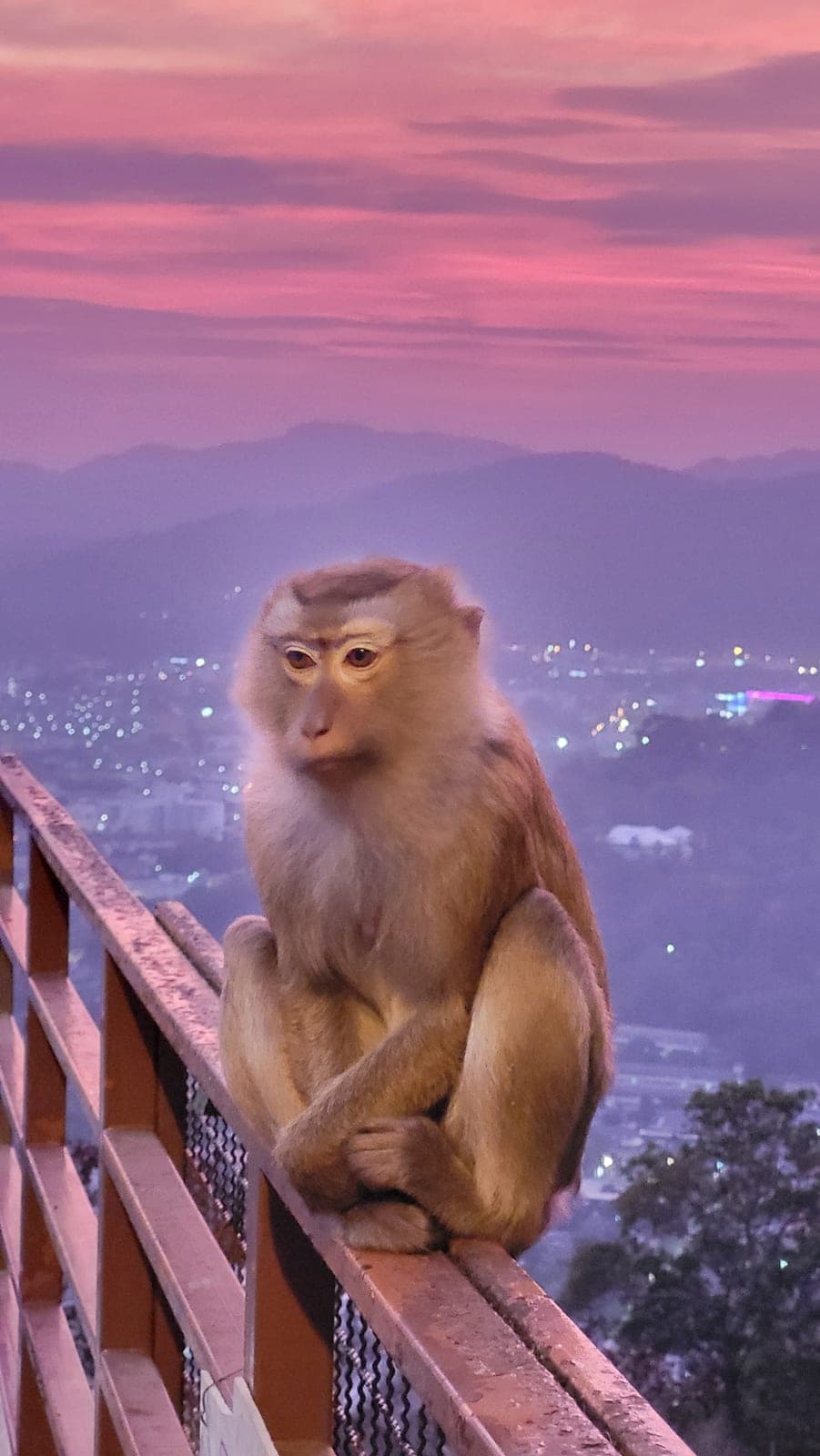
- Monkey Hill in Phuket Town, free and open from 08:00 to 18:30. Don't bring food for the monkeys: a checkpoint began turning it away in February 2024, after a rise in bites.
- Saphan Hin, the seaside park where Phuket Town relaxes; Suan Luang, the town's biggest park, with lotus ponds; and Dragon Park, with its golden dragon, beside the Old Town.
- Old Town's Sunday walking street, from 16:00.
- On a rainy day, the national museum in Thalang, about the island's early peoples and its history.

If the children would like to see elephants, choose a place where you only watch them, without riding or bathing them: animal-welfare researchers have found most of Thailand's tourist elephants kept in poor conditions, and the Tourism Authority of Thailand calls animal entertainment cruelty. Don't pay for a photo with a wild animal, such as a slow loris at a market stall: you can report it on the parks department's hotline, 1362.
The temples, the islands, the viewpoints and the markets: Things to do in Phuket
Island days with children
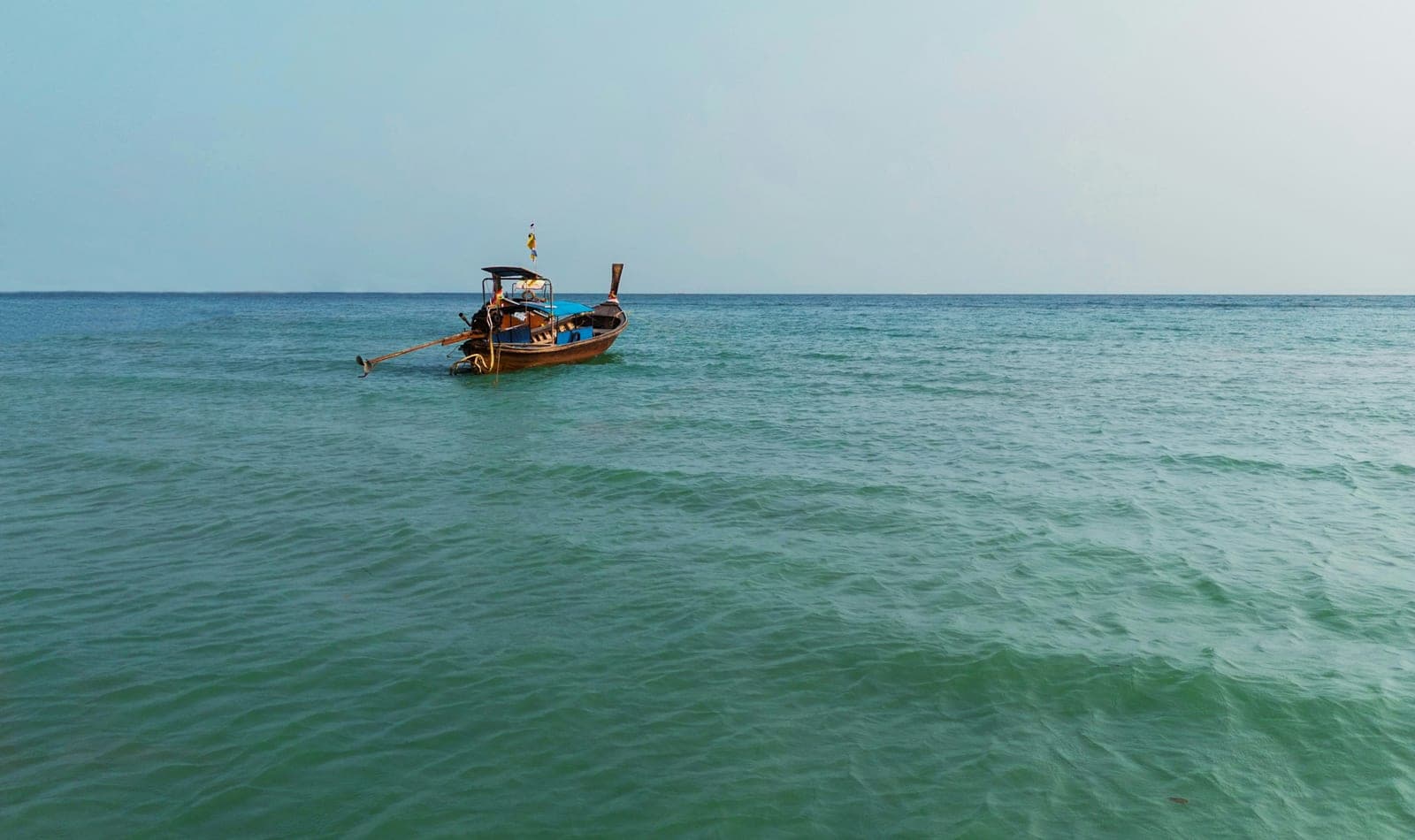
On any boat, put the life jackets on before it leaves, and keep them on. In rough weather the marine office has kept small boats in port, so have a plan for the day if a trip is cancelled.
In the national parks, foreign children pay half the adult fee, at the rates set in 2022: 100 baht at Sirinat and Phi Phi. Children under 3 go free.
Getting around with children
Since September 2022, Thai law says children aged 6 and under ride in a child seat, with a fine of up to 2,000 baht. Taxis and public transport are exempt, so don't count on a taxi having a child seat: bring your own, or ask for one when you book a transfer. Without a seat, children sit in the back with an adult looking after them.
- Seat belts for everyone, in every row, though many taxis have none in the back.
- Never in the open back of a pickup. On a scooter, passengers wear helmets too, children included.
- The roads are at their most dangerous over New Year and Songkran, in mid-April.
Health: jabs, mosquitoes, sun and water
See your doctor or a travel clinic a month or more before you fly. Check that everyone's routine jabs are up to date, measles especially: babies from 6 to 11 months should have an early dose.
- Mosquitoes: the risk of malaria in Phuket is very low and tablets aren't usually advised, but dengue is here, and children catch it too. The mosquitoes that carry it bite by day, most around sunrise and sunset. For a high fever, see a doctor, and don't give aspirin or ibuprofen.
- Repellent: after sun cream, put it on your own hands, then on your child's face, away from their eyes and mouth, and never on their hands. No oil of lemon eucalyptus under 3. A net over the pushchair helps.
- Animals: children are less likely to keep away from dogs, cats and monkeys, or to tell you they've been scratched. If an animal bites, scratches or licks your child, wash the spot at once with soap and clean water for at least 15 minutes, and see a doctor straight away.
- Sun and heat: young children overheat faster. Keep them in the shade from 10:00 to 16:00, and use sun cream of SPF 15 or higher, again every 2 hours and after swimming.
- Water: bottled, sealed water to drink and to brush teeth, and to make up formula.
- Upset tummies are among the commonest illnesses in travelling children: pack oral rehydration salts, and see a doctor for signs of dehydration, a fever or blood in their poo.
If your child is ill or hurt
- Ambulance: 1669, free, run by the Ministry of Public Health.
- Vachira Phuket Hospital, in Phuket Town, is Phuket's main government hospital, with a 24-hour emergency service.
- Tourist Police: 1155, day and night, in several languages.
- Hospitals here charge visitors and ask for a guarantee of payment first, even in an emergency, so take travel insurance that covers every child, and carry the details.
Before you fly: passports, arrival cards and letters
- A passport for every child, with at least 6 months left on the day you arrive and a blank page.
- A digital arrival card for every traveller, babies too, filled in by a parent online in the three days before you land, on the official site, tdac.immigration.go.th. It's free: ignore sites that charge for it.
- A child travelling with one parent, or with another adult? Carry the birth certificate and a signed letter of consent from each parent who isn't there, in English or Thai and legalised, with a copy of their passport. Thailand's embassy in Switzerland asks for this, and you might be asked for it at a border.
- Medicines: bring the prescription, and keep them in their original packaging. Some need a permit even with a prescription, applied for at least 15 days before you travel, so check with a Thai embassy.
- Food: you can bring up to 10 kg for your own use, so your baby's usual formula can come too.
- The visa-free stay is up to 30 days for British, American, Australian and Indian passports, among others, since 15 September 2026. Check yours with a Thai embassy before you book.
Is Phuket safe for families?
In October 2026, Phuket wasn't in any area the British government advises against visiting; check your own government's advice before you book. The risks to plan for are on the roads and in the sea, so use a child seat in the car, read the flags on the beach, and keep life jackets on in the boat.
Do's and don'ts with children
- At a temple, cover shoulders and knees, children's too, and take shoes off before going into a hall.
- Don't touch people's heads, or point with your feet.
- Vapes are illegal in Thailand, for teenagers too.
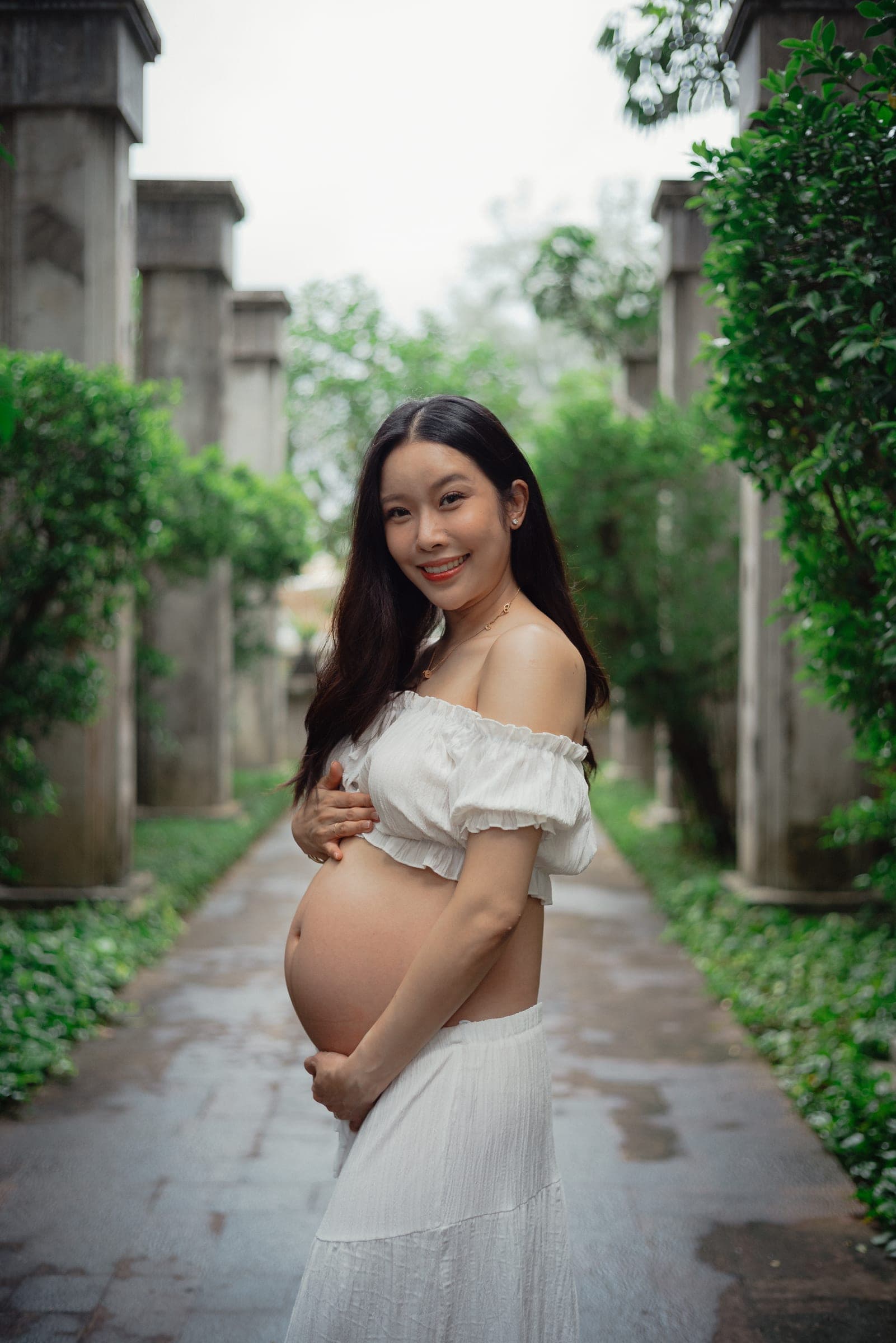
On a wet garden path between stone columns, the greenery all around. 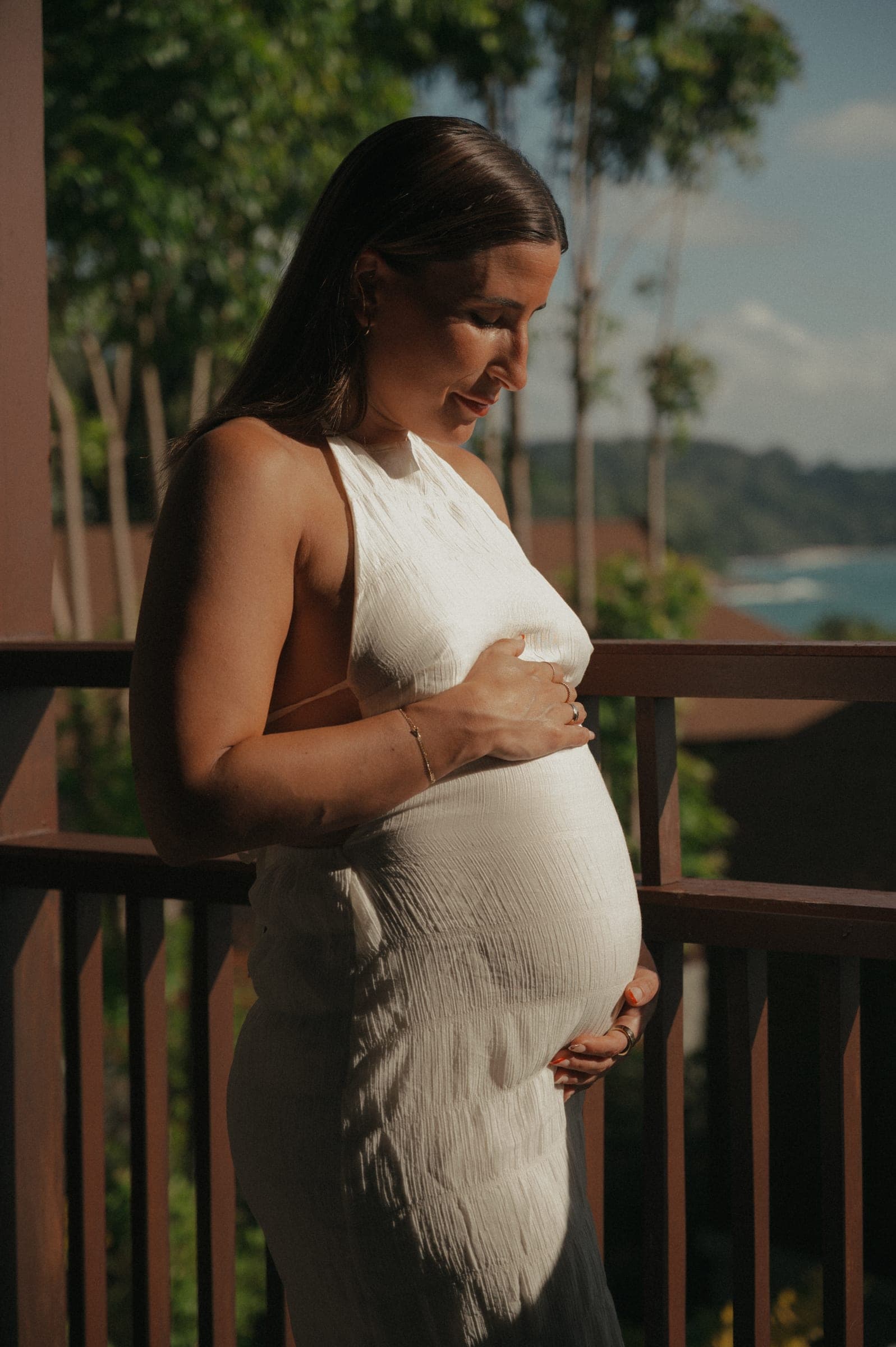
On a wooden balcony, the palms and the bay behind. 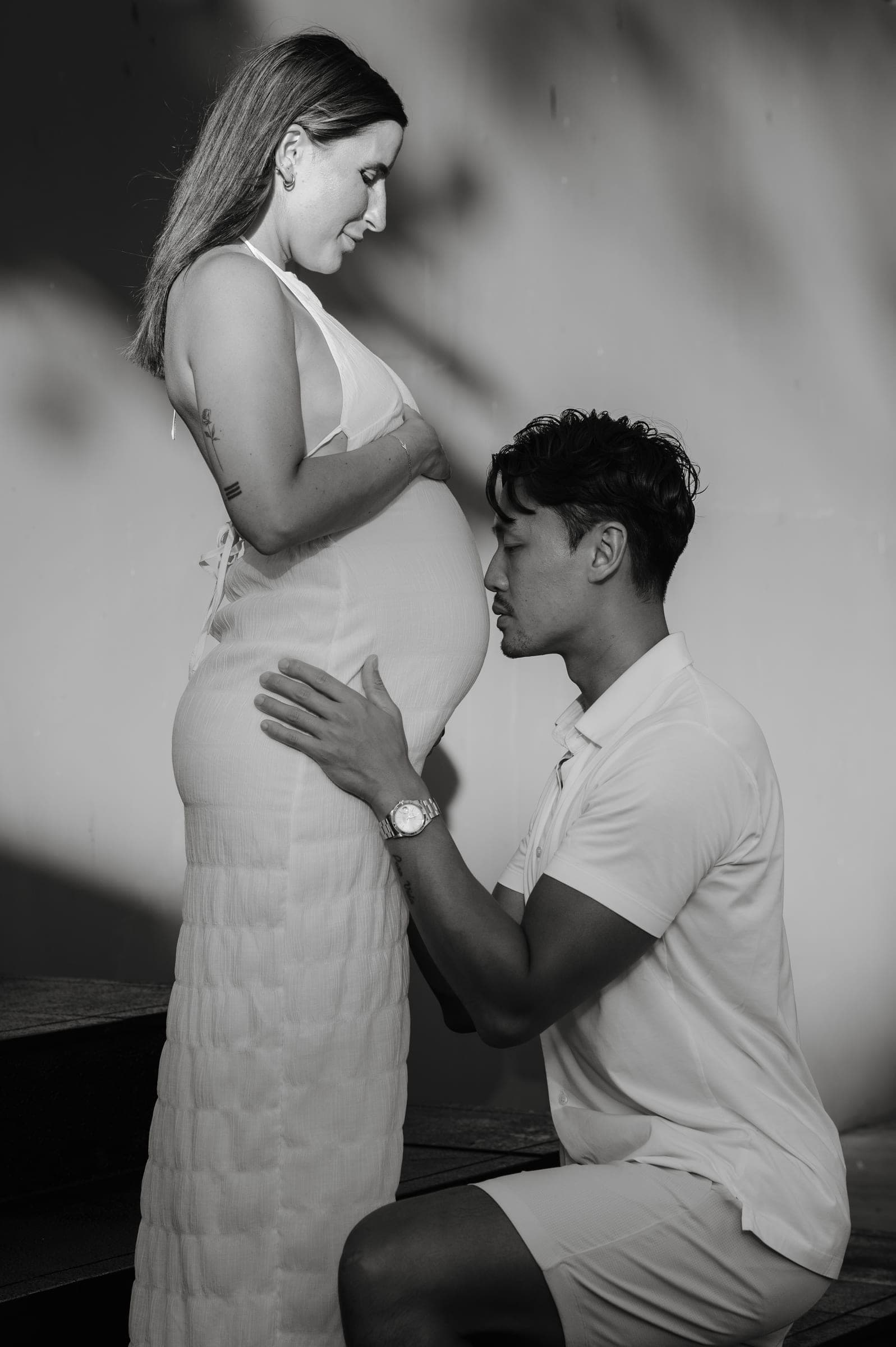
In black and white: kneeling, eyes closed, his face to the bump.
Holidays with children go by fast. Keep this one in photos of all of you together, taken at your hotel or villa, or on a beach in the golden hour: family photos in Phuket